


Understanding the psychology of casino players
The Allure of Casinos
Casinos have long captivated individuals with the promise of excitement and the allure of potential wealth. This enchanting environment is designed to stimulate the senses, featuring vibrant lights, engaging sounds, and an atmosphere charged with adrenaline. When players walk through the casino doors, they are met with a sensory overload that creates a euphoric experience. To truly understand this allure, one must explore the psychological triggers that casinos employ to draw players in, such as the thrill of winning, which often connects people to platforms like 1win that enhance their gaming adventures and maintain their attention.
The thrill of gambling often arises from the unpredictability of outcomes, where every spin of a slot machine or flip of a card holds the promise of a significant win. This uncertainty can lead to a rush of adrenaline, even when players encounter losses. Cognitive biases, such as the gambler’s fallacy, contribute to the belief that a win is imminent, which can perpetuate continued play despite losing streaks. By leveraging these psychological tendencies, casinos create environments where hope and excitement can easily overshadow rational decision-making, resulting in extended gaming sessions.
Furthermore, the strategic placement of games and amenities within the casino plays a pivotal role in enveloping players in the gaming experience. The layout is meticulously designed to minimize distractions from the outside world, encouraging individuals to lose track of time and become fully immersed. By merging entertainment with the potential for financial gain, casinos expertly craft an environment where players are often tempted to indulge longer than they originally intended.
The Role of Reinforcement and Reward
The psychology of reinforcement is a key factor in influencing player behavior within casinos. Gamblers frequently encounter rewarding moments, whether they win large or small amounts, creating a powerful association between gambling and positive emotional experiences. Each time a player wins, even if it’s a modest payout, their brain releases dopamine, a neurotransmitter linked to pleasure and satisfaction. This biochemical response reinforces the gambling behavior, compelling players to return in search of that euphoric feeling, often without recognizing the potential risks involved.
Slot machines, in particular, are engineered to provide frequent, albeit small, wins to keep players engaged. This tactic relies on the principle of variable reinforcement schedules, where players receive rewards at unpredictable intervals. This unpredictability heightens excitement and creates an addictive cycle where players feel that the next spin could lead to a significant win. Consequently, the brain becomes conditioned to respond with heightened anticipation, increasing the likelihood of continued play even in the face of losses.

In addition to the thrill of winning, loyalty programs and incentives offered by casinos further deepen psychological engagement. Players may receive perks such as free meals, complimentary hotel stays, or exclusive event invitations, fostering a sense of belonging. This strategy not only rewards continuous play but also cultivates an emotional connection to the casino, making it more challenging for individuals to walk away, even when they recognize the need to do so. Understanding these mechanisms of reinforcement reveals how casinos successfully cultivate a loyal customer base that regularly returns for more entertainment.
The Impact of Social Dynamics
The social environment within a casino significantly influences player psychology. Many individuals are drawn to casinos for the communal experience—sharing in the excitement and tension of gaming alongside others. The presence of fellow players can amplify emotions, from collective cheers during a win to shared disappointment during losses, creating a shared experience that enhances overall enjoyment. This social dynamic can lead to increased engagement, as players often feel more compelled to stay longer when surrounded by an enthusiastic crowd.
The concept of social proof also plays a crucial role in shaping gambling behavior. When players observe others winning or celebrating, it encourages them to take risks or continue playing. The belief that success is attainable, reinforced by witnessing peers win, can lead to increased spending. This social validation strengthens the idea that playing longer is a viable path to success, further embedding individuals in their gambling habits.
Moreover, many casinos host events or tournaments that promote social interaction and camaraderie among players. These gatherings foster a sense of community, making individuals more susceptible to the allure of gaming. As friendships develop over shared experiences, players become increasingly invested in their time at the casino, often disregarding the potential negative consequences of extended play. The social dynamics in casinos illustrate how the communal gaming experience amplifies the psychological draw of the gambling environment.
Decision-Making Under Pressure
In the high-pressure environment of a casino, decision-making is influenced by various psychological factors. The stress of potentially losing significant amounts of money can lead to heightened emotional states, which may cloud judgment and impair rational thinking. Players might rush into decisions in the heat of the moment, acting impulsively rather than thoughtfully. This situation is exacerbated by the fast-paced nature of many casino games, where quick choices can mean the difference between winning and losing.
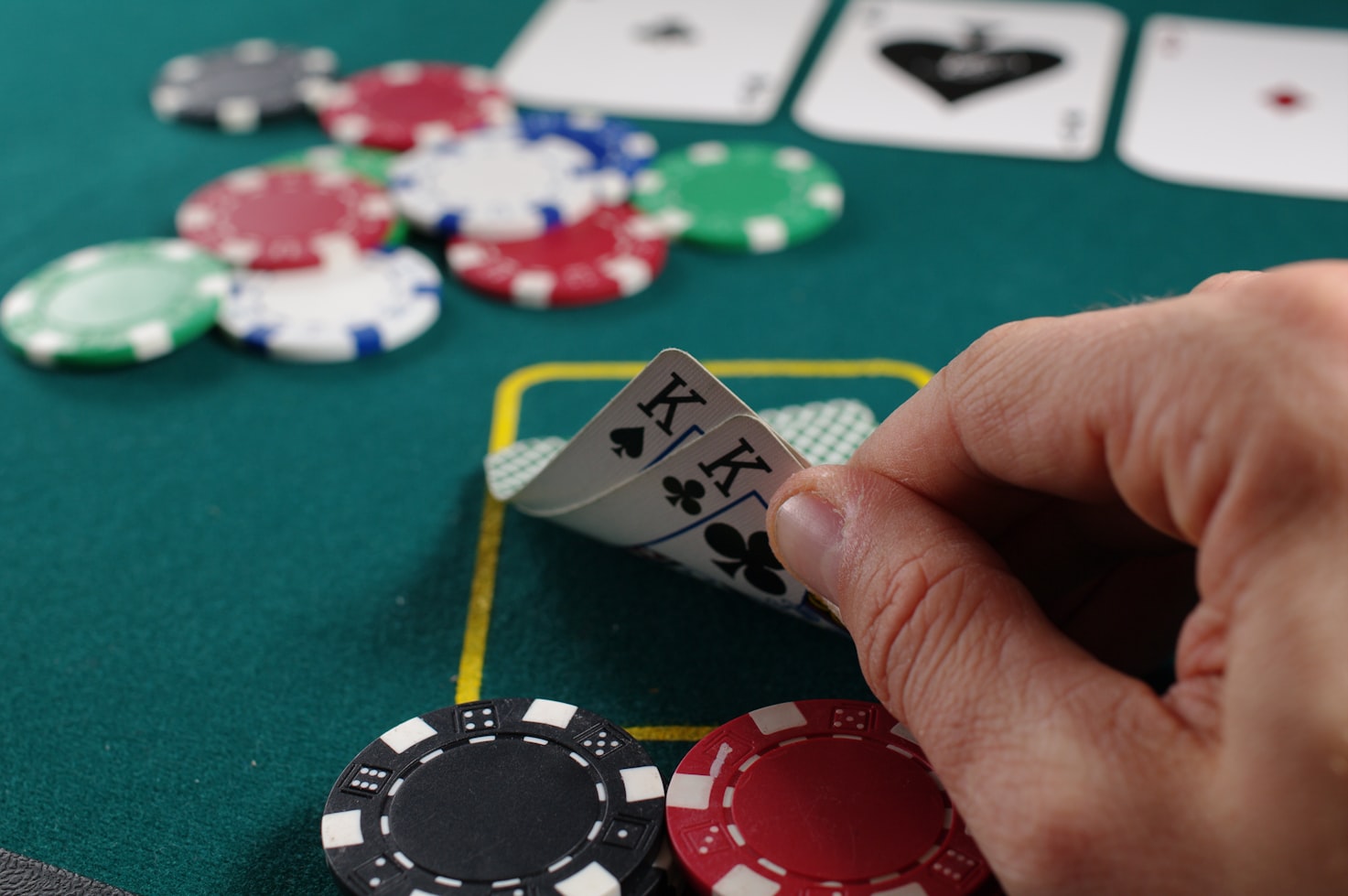
Cognitive biases, such as the illusion of control, can emerge during gameplay. Many players believe they can influence outcomes through personal strategies or superstitions, despite the fact that most games are based on chance. This false sense of control can lead to risky decisions, as players may disregard sound strategies in favor of personal beliefs about luck or skill. Consequently, the boundary between enjoyment and addiction can blur, particularly when players become overly invested in their perceived ability to affect outcomes.
Additionally, the fear of missing out can drive players to make hasty decisions. When they witness others winning or having fun, players may feel compelled to keep playing, even when their better judgment suggests they should walk away. This compulsion can lead to significant financial losses, further complicating their relationship with gambling. Understanding these decision-making processes is crucial for both players and casino operators, as it sheds light on the intricate psychological complexities that govern behavior within the gaming environment.
The Role of Online Resources and Support
The rise of digital platforms has transformed the gambling landscape, making it more accessible than ever. Many players now engage with casinos from the comfort of their homes, which can intensify the psychological effects of gaming. The convenience of online play often leads to prolonged engagement, sometimes obscuring the negative consequences that might arise from face-to-face gambling. Understanding this shift is essential for recognizing how player psychology is adapting to the evolution of technology.
Moreover, the availability of support resources and responsible gaming tools has increased significantly. Many online casinos provide options for players to monitor their spending, set limits, and access help if they struggle with gambling behaviors. These resources empower players to make informed decisions about their gaming habits, helping to mitigate potential negative outcomes. However, the effectiveness of these tools largely depends on the player’s willingness to engage with them, highlighting the importance of psychological readiness for change.
Additionally, websites dedicated to educating individuals about gambling addiction and promoting healthy gaming practices have become increasingly prevalent. These resources serve as critical lifelines for those seeking to understand their behaviors and make necessary adjustments. As awareness of gambling-related issues grows, the role of online support becomes indispensable in fostering healthier relationships with gambling. Players are encouraged to seek help when needed, allowing for a better understanding of their psychological patterns and promoting responsible behavior within the casino context.
About the Author

Kane McIntyre


